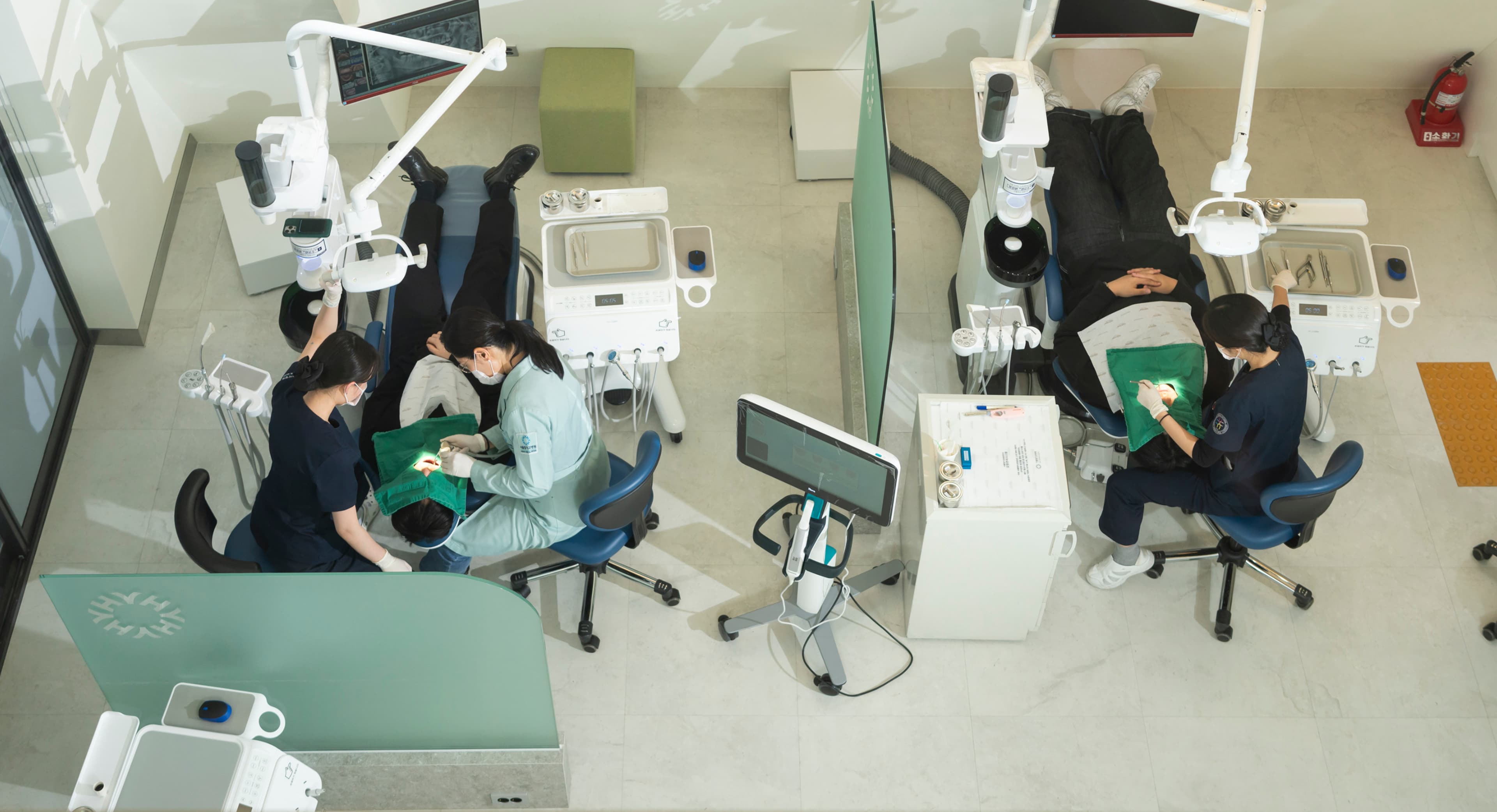
Apicoectomy
For root-tip inflammation that root canal treatment cannot resolve, a last option to save the tooth before extraction
What is an apicoectomy?
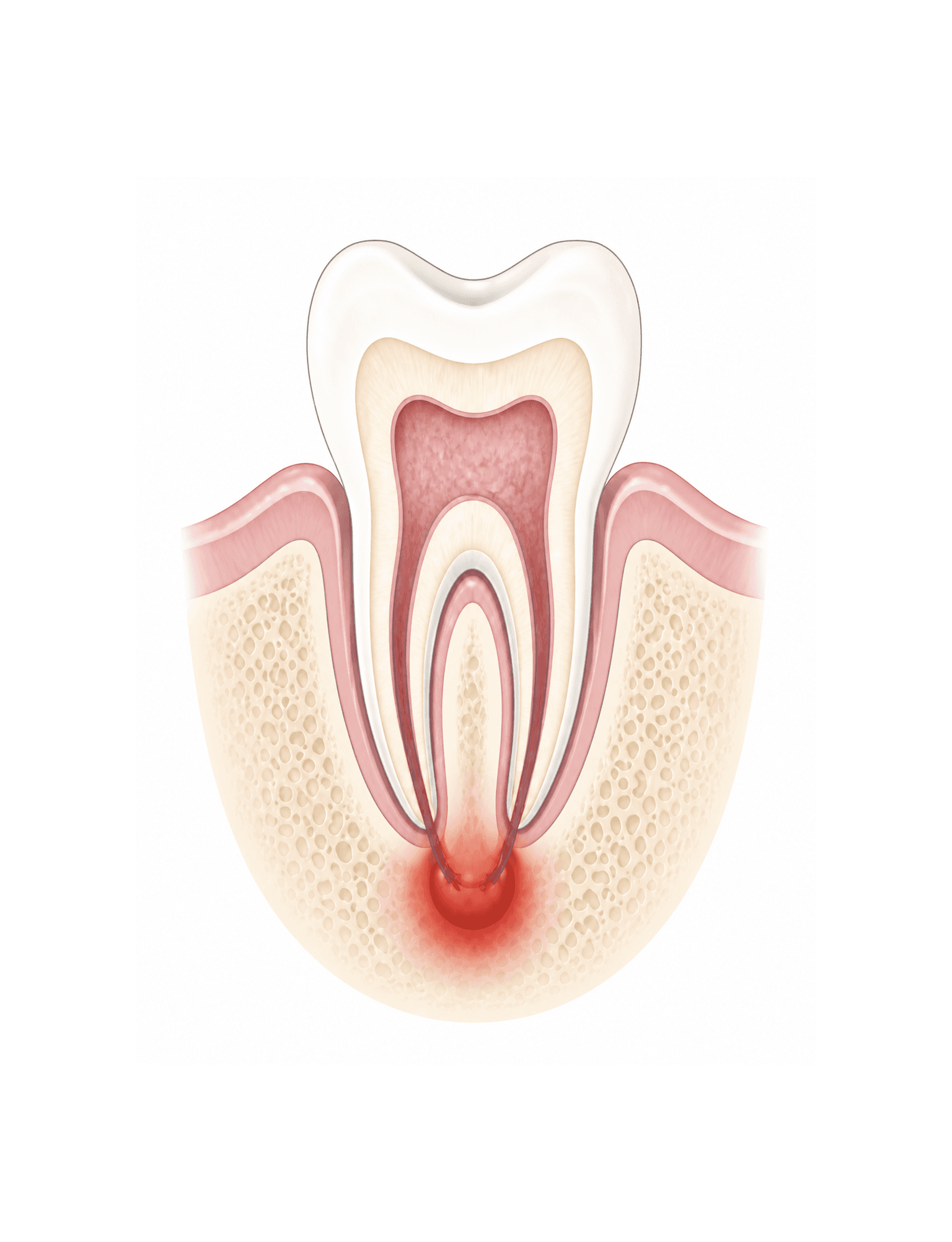
If inflammation keeps returning at the tip of the root even after root canal treatment, an apicoectomy may be considered.
In this procedure, a small incision is made in the gum to remove the inflamed tissue directly, and the root tip is resealed. It resolves the problem at its source while preserving as much of the natural tooth as possible.
At Seoul Top Dental Hospital, an endodontic specialist first identifies the extent and location of the inflammation through precision diagnosis, then develops a treatment plan.
RECOMMENDED CASE
Who is this treatment for?
Recurring inflammation at the root tip may require surgical treatment to preserve the tooth.

Recurring root-tip inflammation
When inflammation at the root tip keeps returning despite root canal treatment

No improvement after retreatment
When root canal retreatment has been tried without success

A post prevents retreatment
When a post inside the tooth makes root canal retreatment difficult

The canal cannot be accessed
When the root canal is blocked and instruments cannot enter at all

Recurring gum abscess
When pus repeatedly drains from the gum
PROCESS
Apicoectomy Treatment Process
From precision diagnosis to removal of inflammation, root-tip resection, and recovery care, we proceed systematically.
- STEP. 01
Precision Diagnosis
A 3D CT scan pinpoints the location and extent of the inflammation, and a treatment plan is established.
- STEP. 02
Gum Incision and Removal of Inflammation
A minimal incision is made in the gum and the inflamed tissue at the root tip is removed.
- STEP. 03
Root-Tip Resection and Retrograde Filling
The infected portion of the root tip is resected and sealed so that bacteria cannot re-enter.
- STEP. 04
Suturing and Follow-Up
Sutures are removed 1 to 2 weeks after the procedure, and recovery is monitored at regular check-ups.

Dental Treatment: Frequently Asked Questions
Asked in the patient's words, answered in the expert's.
A. No. The tooth is kept in place and only the inflamed area at the root tip is removed. This is a treatment designed to save your tooth.
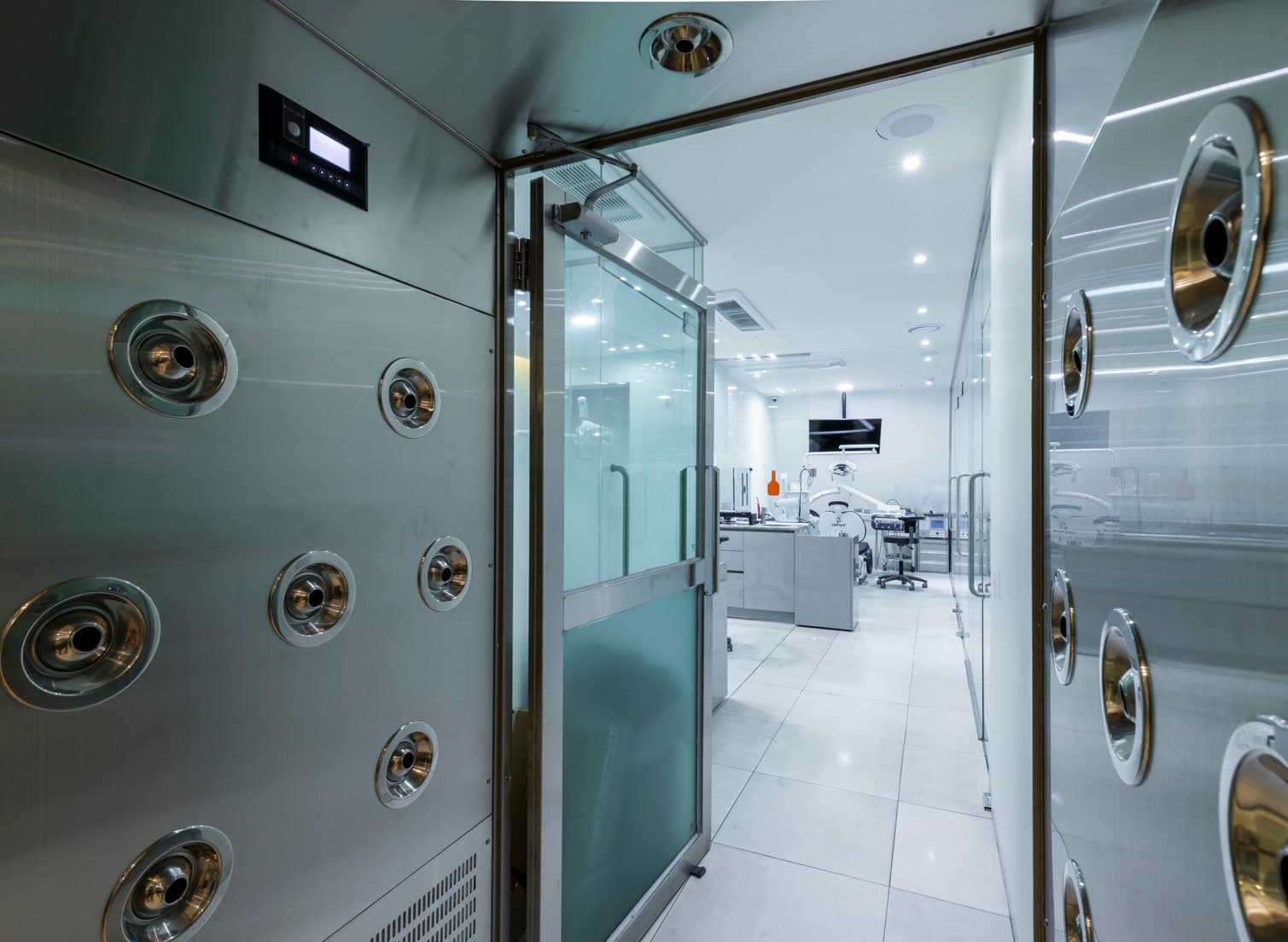
Rigorous infection control for a safe treatment environment.
From the air in our treatment rooms to every instrument we use, everything is managed through a systematic sterilization process.
Tour the HospitalDental stories patients want to hear
Complex dental treatments and the care information you have wondered about, shared through videos by the doctors and patients of Seoul Top Dental Hospital.

 Naver Booking
 KakaoTalk
 Instagram
 Call us